Toolkit for palliative care needs in children
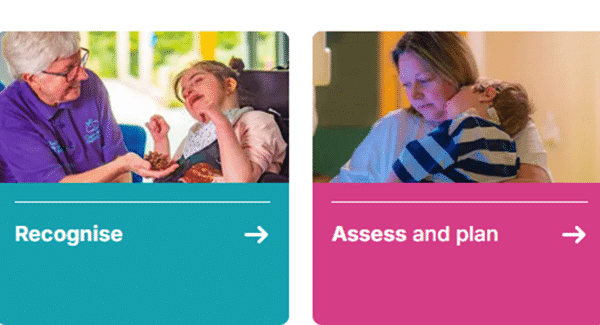
Together for Short Lives has published updated categories of children’s palliative care, giving professionals a shared framework to identify which children may benefit from a palliative care approach.
Conversations about Advance Care Planning. Episode 164 – From Forms to Conversations: Embedding Digital Respect Across Systems with Sharan Harris- Christensen

Provides a guide for clinicians to ensure people’s wishes and values are respected in an emergency situation.
Huntington’s Disease Association – New professional guidelines to support care for people affected by Huntington’s
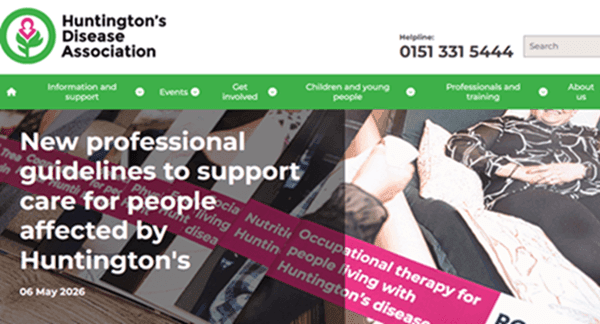
Professional guidelines designed to support those working with people affected by Huntington’s disease, including end of life management
HSE Palliative Care A to Z
Provides public facing information for patients, families and carers in particular, but also for healthcare staff. It explains what palliative care is, who it is for, how it works in practice, and how it fits alongside other healthcare services in Ireland in a plain English format
Palliative and End-of-Life Care Competency Assessment Tool
The Competency Assessment Tool has been developed by a multidisciplinary group, currently practicing within the Health & Social Care Trusts, the independent and the voluntary sector within Northern Ireland. The competencies within the tool can be interpreted and applied across the range of sectors, settings and disciplines which provide palliative and end-of-life care. They are inclusive of all adult populations, regardless of diagnosis, culture or need. The Assessment Tool will assist individuals to build on the skills they already have, shaping professional practice in accordance with the document Living Matters: Dying Matters, a Strategy for Palliative and End of Life Care for Adults in Northern Ireland (Department of Health and Social Services and Public Safety, 2010).
A Good Death – Office of the Ombudsman
The Ombudsman report, “A Good Death” highlights complaints received by the Ombudsman relating to end of life care, in a series of reflections on common themes. The report focuses on opportunities for learning and improvement particularly with regard to difficulties associated with communication regarding end of life care. The Ombudsman’s Casebook is a quarterly report summarising complaints received. A Good Death: Progress Report 2018 was published September 2018 on developments in End of Life Care in Irish Hospitals since the publication of the Ombudsman’s report in 2014.
Integrated Care Pathway for Children with Complex Physical Health Care Needs
This pathway guides community services in meeting the needs of families, children and young people, aged up to 18 years, who have complex physical healthcare needs. This is defined as: Children (and young people) with complex physical healthcare needs are those who require a range of additional support services beyond the type and amount required by children generally and those usually provided to children with impairments and long-term illnesses.
NI Guidance for the Management of Diabetes in Adults During the Last Days of Life
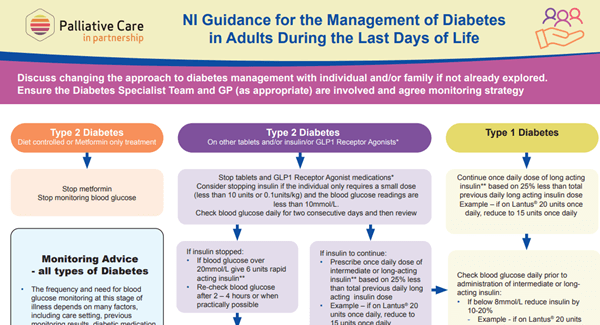
Discuss changing the approach to diabetes management with individual and/or family if not already explored. Ensure the Diabetes Specialist Team and GP (as appropriate) are involved and agree monitoring strategy
Guidance for the management of symptoms in adults with Heart Failure at the end of life
This guidance has been developed for healthcare professionals managing heart failure symptoms when end of life is expected within weeks to days. For these patients it would likely be inappropriate to monitor bloods at this stage of a patient’s illness. However due to the trajectory of heart failure it is advised to use clinical judgement to monitor bloods or vital observations should the end of life stage become prolonged or longer than predicted.
HSC Guidance Document for Subcutaneous Syringe Pump Use in Adults
This guidance has been designed to support both healthcare professionals and patients, this guidance provides practical, evidence-based insights to support safe and effective use of subcutaneous syringe pumps for adults across Northern Ireland. It provides a regional standardised approach to consent, patient information, prescribing, administration, education, training, audit and governance. This regional guidance aims to promote safer subcutaneous medication delivery and improved patient outcomes by offering practical patient centred advice, clear processes, and guidance to reduce the risk of error.