
Northern Ireland Antenatal Pathway
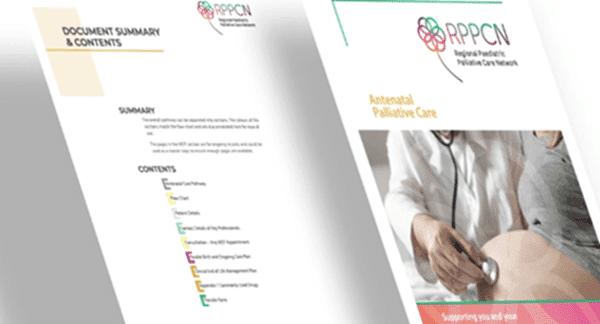
The Northern Ireland Regional Paediatric Palliative Care Network (RPPCN) have developed a resource to support families and professionals where a diagnosis of a potentially life limiting, or life-threatening condition has been made at antenatal stage. The resource will help inform parental decisions and promote effective communication between professionals to ensure the most effective supports are put in place.
The Heart of Living and Dying – A facilitator’s guide for health and social care professionals
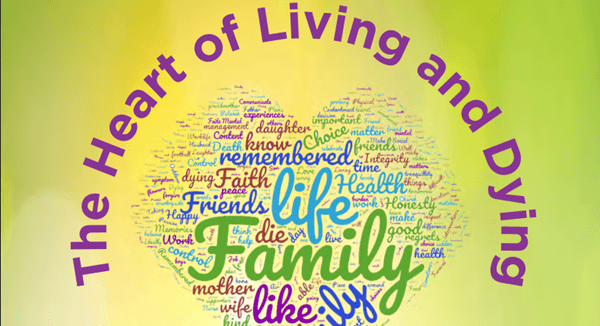
he Heart of Living and Dying is a 2 hour group process which offers members of the public the opportunity to have an advance care planning type conversation about what matters to them in their living and dying.
Management of Symptoms in Palliative Care. The Role of Specialist Palliative Care Allied Health Professionals
This document outlines the definition, cause, prevalence and evidence based practice for the Specialist Palliative Care Allied Health Professional (AHP) interventions to manage symptoms frequently presenting in those living with advanced incurable illness
Northern Ireland guidelines on converting doses of opioid analgesics for adult use 2023
This document outlines the definition, cause, prevalence and evidence based practice for the Specialist Palliative Care Allied Health Professional (AHP) interventions to manage symptoms frequently presenting in those living with advanced incurable illness
Management of Symptoms in Adults in the Last Days of Life
This guidance relates to the prescribing of medicines to manage symptoms for patients in the last days of life. Not every patient will require symptom management but individual need can be difficult to anticipate and therefore proactive prescribing
Providing high quality palliative care for our children: a strategy for children’s palliative and end-of-life care 2016-26
The Northern Ireland Department of Health’s 10-year strategy for palliative and end of life care for children and young people
Care of dying adults in the last days of life
This guideline covers the clinical care of adults (18 years and over) who are dying during the last 2 to 3 days of life. It aims to improve end of life care for people in their last days of life by communicating respectfully and involving them, and the people important to them, in decisions and by maintaining their comfort and dignity. The guideline covers how to manage common symptoms without causing unacceptable side effects and maintain hydration in the last days of life.
Guidance for the Management of Symptoms in Adults in the Last Days of Life
Guidance for the Management of Symptoms in Adults in the Last Days of Life
Care of the Deceased Patient and their Family: A Guideline for Nursing Practice in Northern Ireland
‘Care of the Deceased Patient and their Family: A Guideline for Nursing Practice in Northern Ireland’, provides guidance to nurses and midwives working in any setting on how to achieve the delivery of safe, sensitive, effective and person-centred nursing care to a deceased person and their family, friends and carers.
Definition and Competencies for Key Worker Function
The aim of this paper is to provide a high level definition for Key worker function and competencies.